Dealer Locator 0

Polyethylene vs. Concrete Water Troughs: Which Is Better for Your Operation?

September 2026

When you’re choosing a livestock waterer, concrete can seem like the obvious heavy-duty option. It’s solid, familiar and has been used on operations for generations. But that doesn’t always mean they’re better. After speaking with Layton Norwood, a Ritchie Territory Sales Manager who works with feedlots and dairies every day, we’re ready to share what makes the two options different.

Today’s polyethylene (poly) livestock waterers offer producers another option, designed to stand up to demanding environments while addressing some of the biggest challenges that come with traditional concrete water troughs. From installation and cleaning to energy use and long-term maintenance, there are several factors worth considering before deciding which waterer is right for your operation.

Are concrete or plastic livestock waterers better?

There’s no single waterer that’s right for every operation. But if you’re comparing a traditional concrete waterer with a heavy-duty polyethylene model, it’s important to look beyond the material itself. Consider how the material your waterer is made of will affect:

  • Installation
  • Cleaning and maintenance
  • Energy use
  • Durability
  • Animal safety
  • Water availability
  • Long-term operating costs

For many feedlots, dairies and cow-calf operations, a heavy-duty polyethylene waterer can offer many advantages over a concrete cattle trough.

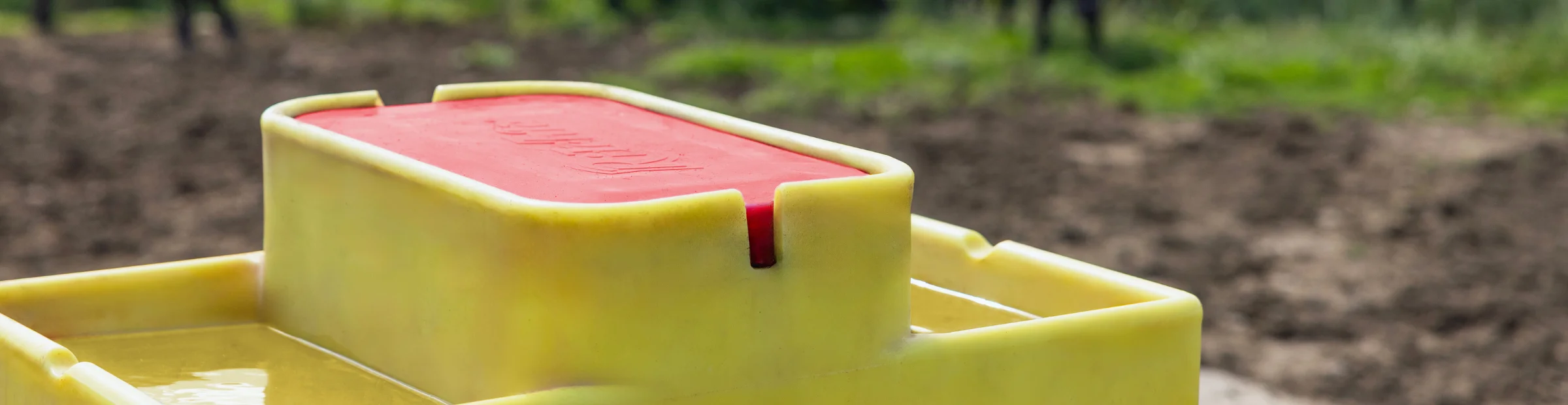
Ritchie polyethylene waterers, for example, use heavy-wall, one-piece roto-molded construction designed to withstand demanding livestock environments. They’re also impact-resistant, incorporate UV inhibitors for longevity and are completely sealed to prevent moisture from reaching the insulation.

That all sounds good on paper, but where’s the proof? Here are five reasons Layton shared, based on his first-hand experience, that make poly waterers a better choice.

1. Poly waterers can be easier to install

One of the differences between polyethylene and concrete water troughs becomes obvious before livestock ever take their first drink: weight.

Installing a concrete waterer typically means dealing with an extremely heavy unit and the equipment required to maneuver it into place. A polyethylene waterer provides heavy-duty performance without nearly as much weight.

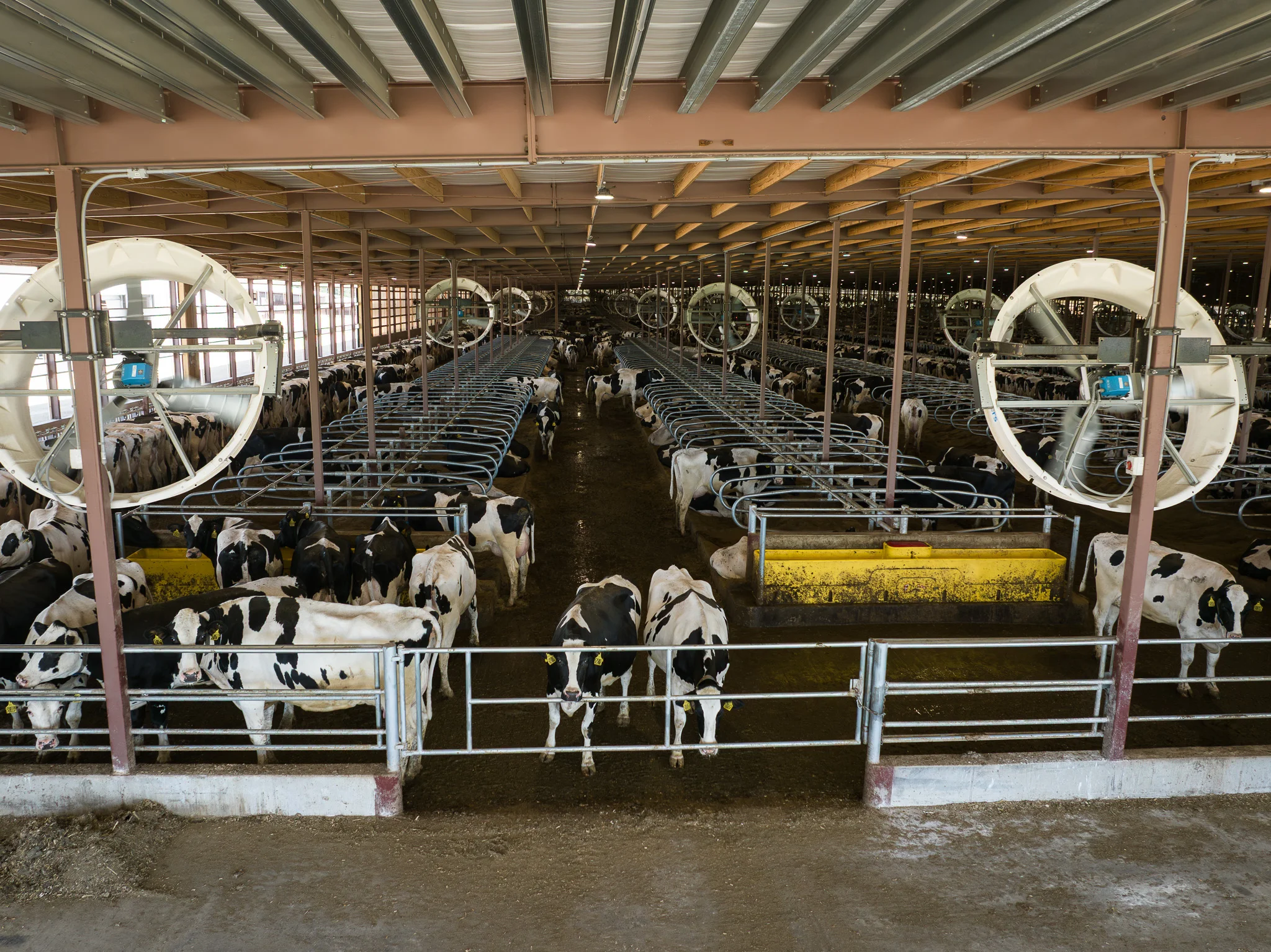
Two people can install Ritchie waterers without the heavy equipment required to place a comparable concrete unit. Even the 14-foot WaterMaster 1400, which has a 110-gallon capacity and is designed to serve up to 500 beef cattle or 250 dairy cows, can be installed by just two people.

2. Lighter doesn’t mean light-duty

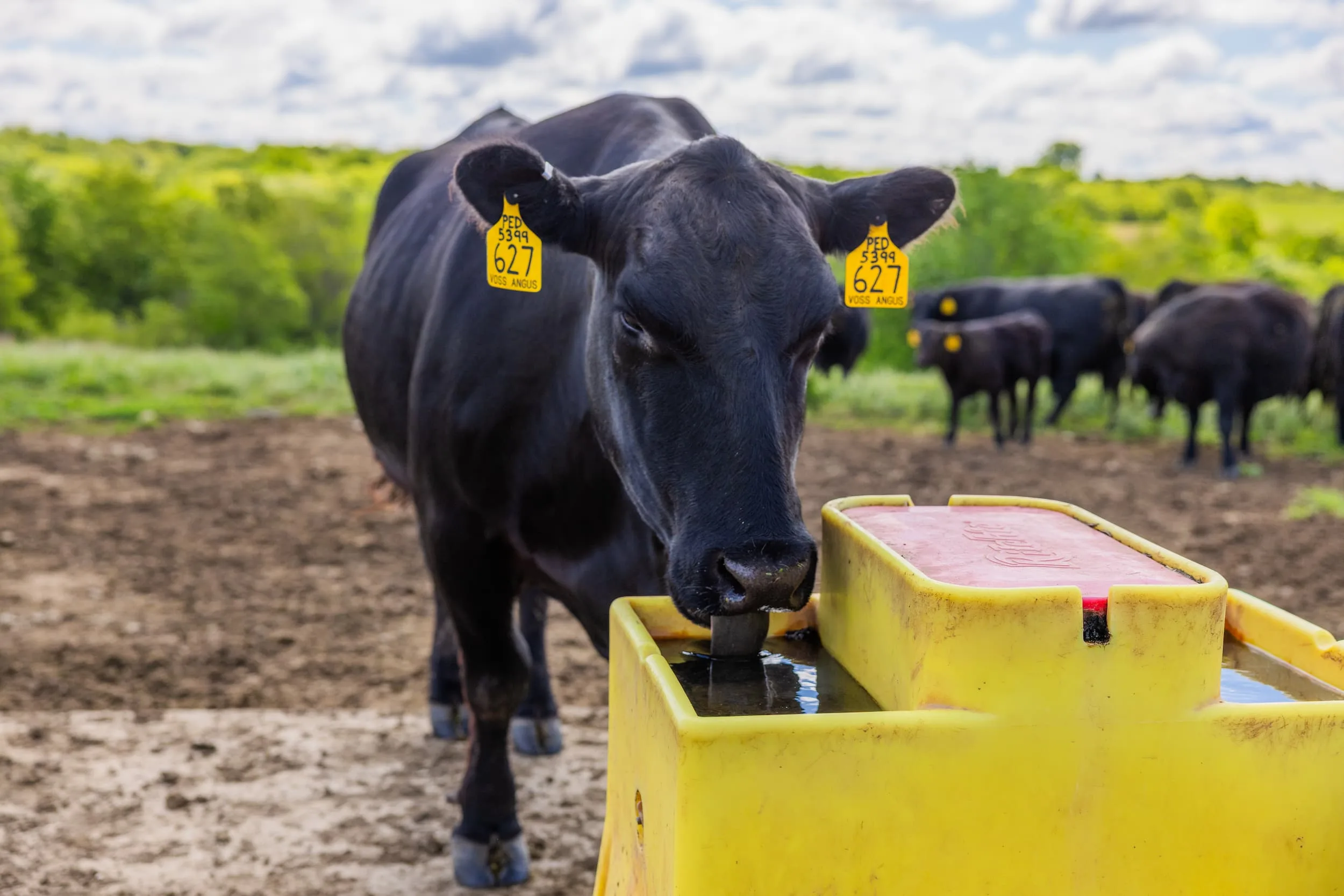
One hesitation producers may have about moving away from concrete is durability. After all, livestock aren’t exactly gentle on equipment. But polyethylene livestock waterers aren’t the same as lightweight plastic stock tanks. Heavy-duty models are specifically engineered for livestock environments. Ritchie’s CattleMaster line, for example, is not only designed with impact-resistant polyethylene construction to withstand hooves and heavy use, but also with UV inhibitors to help the material withstand prolonged sun exposure.

So, when comparing concrete with plastic, make sure you’re comparing concrete to livestock-grade polyethylene construction, not simply asking whether concrete or “plastic” is stronger.

3. Consider labor every time you clean or maintain it

The labor difference between waterers doesn’t end after installation. Think about every time someone needs to clean the trough, drain it, inspect the valve, service a component, prepare it for winter or troubleshoot a problem.

A waterer that’s easier to access and clean can save a relatively small amount of time on any single task. But those minutes accumulate over years of operation and maintaining multiple units. Ritchie waterers incorporate smooth surfaces, sloped troughs and large drains designed to make emptying and cleaning faster. A trough divider can also reduce the amount of water that has to be dumped during cleaning.

4. A smooth surface makes cleaning simpler

There’s another important difference hiding below the waterline. Over time, the surface of a concrete cattle trough can pit. Those imperfections can make the trough more difficult to keep clean as buildup collects on the surface.

Ritchie’s WaterMaster series combines a smooth surface with sloped troughs and large drain openings so operators can empty, scrub, rinse and refill the waterer efficiently. Most Ritchie poly models also incorporate easily accessible drain plugs specifically to simplify routine cleaning.

5. Poly can reduce winter energy use

The initial cost of a waterer is only one part of what it costs to own. For operations in cold climates, energy use should be part of the calculation as well. Ritchie polyethylene waterers require up to 75% less energy during the winter than comparable concrete units when properly equipped for freezing conditions.

That difference can add up over years of winter operation. In addition, many local electric cooperatives offer rebates or incentives on high-efficiency automatic livestock waterers such as Ritchie’s WaterMaster lineup.

Ritchie makes it an easy choice

Ritchie waterers can provide the durability operations demand while offering advantages in installation, cleaning and winter energy efficiency. Features like smooth, non-pitting surfaces, impact-resistant construction, high-flow valves and easier drainage can also reduce some of the everyday work associated with keeping livestock watered.

For many operations, Ritchie proves that you don’t need several thousand pounds of concrete to get a waterer built for heavy-duty work. Check out our library of installation manuals to learn more.
More Water, More Milk: How Breeze Dairy Group inspired the WaterMaster 1400 automatic livestock waterer

September 2026

For Breeze Dairy Group, reliable access to water is fundamental to cow health, comfort and productivity.

With the grounded confidence of someone who understands the demands of modern dairy farming, CEO Gregg Wolf speaks plainly about what cows need and what producers should expect from the equipment supporting them.

“Air is first, water is second and feed is third,” said Wolf. “Cows need plenty of high-quality water available 24 hours a day without interruption.”

That need carries significant weight across Breeze Dairy Group’s five Wisconsin dairy locations. Modern dairy cows produce more milk than previous generations, increasing the amount of water each animal requires. As the industry advances, watering infrastructure must keep pace with cow performance, herd size and facility design.

“We have to provide water 24 hours a day, seven days a week and in the quantities cows want, especially as milk production grows per cow,” Wolf said.

A dependable watering system helps Breeze ensure its cows can drink when they want, then return to resting, ruminating and interacting with the herd.

“If cattle don’t have plenty of access to water, they’ll stand around the water trough,” Wolf explained. “We want to encourage cows to be comfortable, lie down, ruminate and be cows. We need to make sure they aren’t limited by water availability.”

Breeze is all about simple and dependable waterers

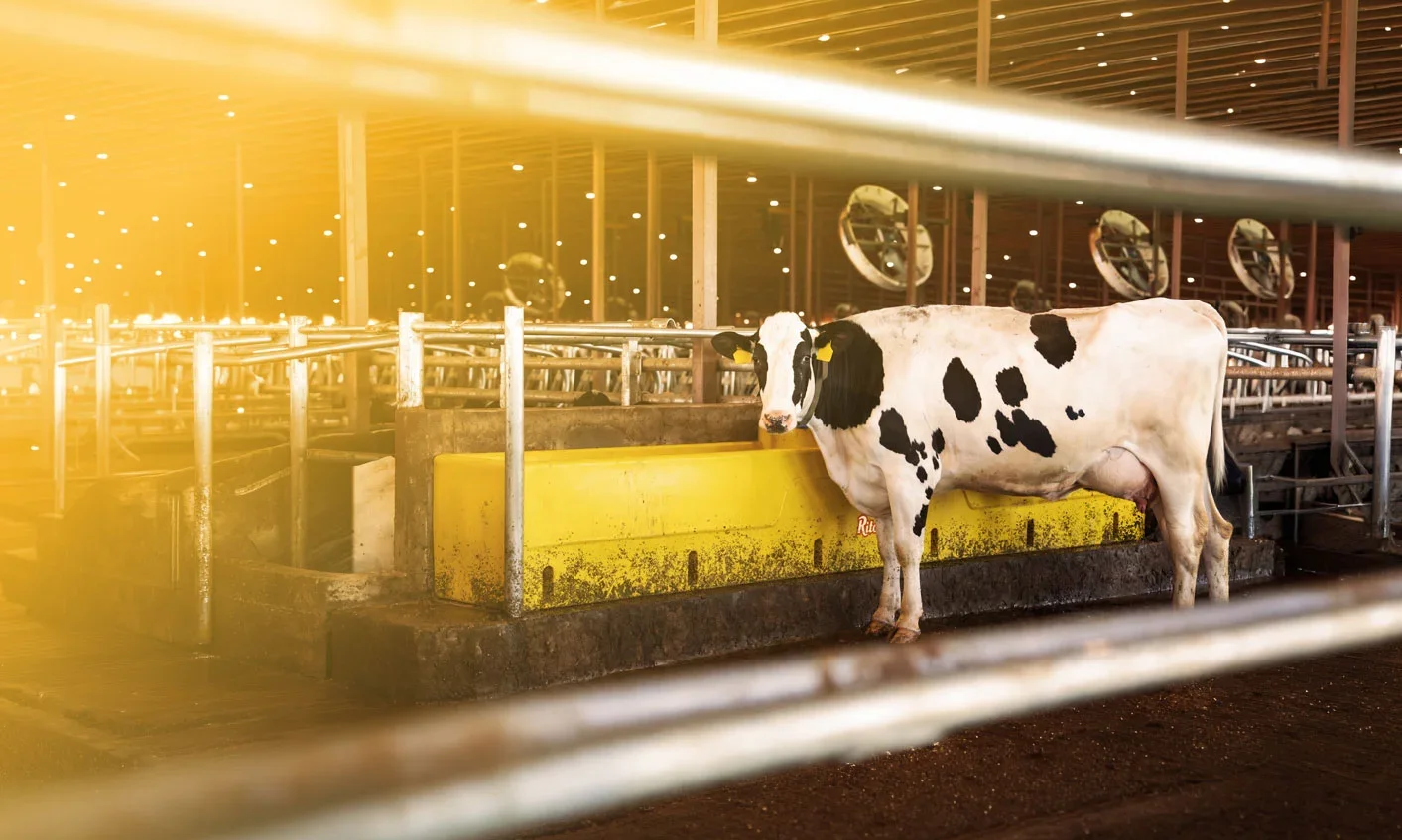
Ritchie automatic waterers have become a familiar part of Breeze Dairy Group’s operations. The company uses Ritchie waterers at each of its locations, relying on them to meet the demands of large dairy herds and continuous, day-to-day use.

How do Ritchie waterers measure up in durability, efficiency and simplicity? For Wolf, it comes down to a few essential qualities.

“It’s a robust product that’s very simple,” he said. “The valve assembly is simple, the waterers are sturdy and long-lasting, and parts availability is good. We enjoy the simplicity and the service behind it. We don’t have problems, so we keep using the product.”

That simplicity matters on a dairy, where equipment must work reliably and maintenance needs to be straightforward. A waterer is not a piece of equipment an operation can afford to have out of service for long. Cows need access to clean, fresh water around the clock, making durability, replacement-parts availability and responsive support essential.

“Good hydration makes healthy cows,” Wolf said. “Cows won’t be productive if they’re not happy and healthy, and they’ve got to meet all their needs.”

Breeze’s continued investment in Ritchie products reflects the confidence that develops when equipment performs as expected — year after year.

What type of livestock waterer is best for a large farm?

The power of partnership was demonstrated when Breeze began planning a facility that required more linear drinking space. The team wanted to maximize the available footprint and provide enough room for more cows to drink comfortably. To accomplish that, Breeze needed a 14-foot automatic waterer, a size Ritchie did not offer at the time.

During World Dairy Expo, Wolf approached Ritchie with the challenge. Breeze was happy with its existing Ritchie waterers and wanted to continue using them, but another manufacturer offered the size the new facility required.

For some manufacturers, that might have ended the conversation. For Ritchie, it started one.

Ritchie listened to Breeze’s requirements, asked for their input and evaluated how a larger waterer could fit both the operation and Ritchie’s manufacturing capabilities. What began as a brief conversation developed into the WaterMaster 1400, the largest automatic waterer Ritchie has produced.

“We were demanding the length, the 14-footer,” Wolf said. “We were very happy when Ritchie reached back out and said, ‘We’re going to do it.’”

At 14 feet long with a 110-gallon capacity, the WaterMaster 1400 gives large operations additional drinking space while retaining the durability and straightforward design Breeze already trusted. For Breeze, its purpose is uncomplicated: maximize the facility’s footprint and offer as many linear feet of drinking space as possible.

The importance of the project, however, extends beyond one product. It demonstrates what can happen when a manufacturer understands its customers, listens to an operation’s needs and is willing to respond.

Why partnership matters as much as the equipment

Breeze Dairy Group’s experience with Ritchie is built on more than a single product or project. It is a long-term relationship grounded in dependable equipment, accessible parts and service that supports the realities of a large dairy operation.

For Ritchie, listening to producers is part of building products that work in real agricultural environments. For Breeze, it means having a partner that understands how important reliability is when thousands of cows depend on uninterrupted access to water.

The WaterMaster 1400 helped Breeze realize its main objective.

“We wanted to maximize our footprint and offer as many linear feet of drinking space as we could in the facility,” Wolf said.

That combination of dependable equipment and responsive support is why Breeze continues choosing Ritchie across its operations. It is also how a trusted waterer became the foundation for something new.

Helping Cattle and Horses Stay Healthy During Drought

July 2026

healthy cattle standing by ritchie waterer

When drought hits, you face more than just a lack of water. Dry conditions can reduce forage production, lower feed quality, increase heat stress and create nutritional challenges for cattle and horses.

The good news is that a few management steps can help you keep your animals healthy and productive until conditions improve.

Water comes first

Clean, fresh water is the most important nutrient for livestock. During hot, dry weather, animals need more water to regulate body temperature and support normal body functions.

Beef cattle may drink 10 to 20 gallons of water per day, and even more during extreme heat. Horses commonly drink 5 to 15 gallons daily, depending on their size, activity level and the weather.

5 ways to keep your animals hydrated during drought:

  1. Install automatic watering systems.
  2. Check water sources every day.
  3. Make sure all animals can easily reach water.
  4. Clean tanks regularly to improve water quality.
  5. Monitor ponds and other natural water sources as levels drop.

As drought continues, water quality can become a concern. High salt levels, algae growth or other contaminants may reduce intake and create health risks. Work with your vet, nutritionist or university extension to test water sources and identify problems before they affect your livestock.

When asked about using waterers during droughts, Greg Rasmussen from Rockville, NE said:

“One nice thing about using the Ritchie waterers is that there is water on demand. With large stock tanks you lose so much water to evaporation, where with the Ritchie there is little wasted water. When we’re in drought conditions, every drop matters. Another advantage is that water in a stock tank can warm up fast in the summer. If water is too warm the cattle are less likely to drink it. With the Ritchie you always have a source of clean, fresh, cool water.”

Watch for signs of dehydration

Animals that are not drinking enough water may show signs such as:

  • Reduced feed intake.
  • Lethargy or weakness.
  • Dry gums.
  • Sunken eyes.
  • Faster breathing.
  • Weight loss.

In horses, dehydration can also increase the risk of colic and poor performance. Animals showing severe signs of dehydration should be evaluated by a veterinarian.

Don’t forget about forage quality

One of the biggest challenges during drought is declining forage quality. As grasses mature and dry out, they become less digestible and contain fewer nutrients. Even if animals appear to have enough forage available, they may not be getting the energy and protein they need.

According to the University of Kentucky, forage testing can help you understand which nutrients are missing and determine whether supplementation is needed. Testing hay and pasture can provide valuable information about:

  • Protein levels.
  • Energy content.
  • Fiber levels.
  • Mineral content.

Supplement when needed

According to Louisiana State University, drought-stressed forage is often lower in protein and energy than normal forage. If forage quality declines, supplementation can help maintain body condition and production.

Options include:

  • Protein supplements.
  • Energy supplements such as grains or byproducts.
  • High-quality hay.

Any feeding changes should be introduced gradually to avoid digestive problems. Maintaining body condition is especially important for breeding animals, lactating females and growing calves and foals.

Pay attention to minerals

Mineral nutrition is often overlooked during drought. According to North Dakota State University, dry conditions can affect the mineral content of forages, and livestock may not get enough essential nutrients through grazing alone.

Provide a balanced mineral supplement formulated for your species and region. Important minerals include:

  • Calcium.
  • Phosphorus.
  • Magnesium.
  • Copper.
  • Zinc.
  • Selenium.

Salt should always be available, but increased salt intake also increases water needs. Animals must have access to plenty of clean water when salt or mineral products are offered.

Reduce heat stress

Heat stress and drought often go hand in hand. When temperatures rise, animals use more energy to stay cool and need to drink more water. This can increase the effects of drought-related stress.

To help reduce heat stress:

  • Provide shade whenever possible.
  • Ensure adequate airflow in barns and shelters.
  • Handle livestock during cooler morning hours.
  • Avoid transporting animals during the hottest part of the day.

Reducing heat stress can improve feed intake and overall animal comfort.

Have a drought plan

Drought conditions can develop slowly, but their effects can last for months. A drought management plan should include:

  • Monitoring water supplies.
  • Testing forage quality.
  • Evaluating feed inventories.
  • Securing supplemental feed sources early.
  • Reviewing mineral programs.
  • Identifying alternative water sources if needed.

Planning ahead can help you make decisions before conditions become severe.

The bottom line

Water is critical during drought, but it is only one piece of the puzzle. You should also pay close attention to forage quality, nutrition, mineral supplementation and heat stress. By taking a proactive approach, you can help maintain the health of your cattle or horses and their performance and welfare during challenging dry conditions.

10 Reasons to Buy A Ritchie

June 2026

1. On-demand water is fresh water.

Automatic waterers take the guesswork out of hydration. Your animals get clean, fresh water when they need it — and you save time and energy in the process. Ritchie trough and valve combinations are built to keep water moving. They deliver plenty of flow when animals are drinking, while minimizing stagnant water when they’re not.

Our quick-flow valves come in two sizes to match your waterer’s trough, with flow capacities designed to handle a range of supply line pressures. So, no matter your setup, you can count on consistent, reliable performance.


2. You get the best warranty in the industry.

We stand behind what we build. That’s why our polyethylene (poly) waterers are backed by a 10-year limited warranty — five years full coverage, followed by five years prorated.* Our stainless-steel troughs are covered by a 10-year, 100% warranty against manufacturing defects and corrosion.

It’s simple: Reliable products should come with a warranty to match.

*Excludes Genesis product line (1-year warranty).


3. Our poly units are totally sealed.

Our heavy-duty poly waterers are fully sealed to lock out moisture and protect the insulation inside. The poly is thicker than the competition’s, and the one-piece, roto-molded design adds serious durability.

We also build in UV inhibitors to help stand up to sun, season after season.


4. Our steel troughs are made of 304 stainless steel.

There are cheaper grades of stainless steel out there, but you won’t find them in Ritchie waterers. Our steel troughs are made of 304 stainless — the ultimate in durability and corrosion resistance.


5. Ritchie waterers are heavy duty, but not heavy.

Put a Ritchie waterer up against a competitor’sconcrete unit, and the difference is clear. Our troughs won’t pit. They’re easier to clean, more efficient to heat and help keep water cleaner for your animals.

Installation is simpler, too. Two people can get a Ritchie unit in place. No heavy equipment required. And when it comes to energy use, Ritchie waterers use up to 75% less than concrete units. Less waste. More efficiency.


6. Every product is designed with animal safety in mind.

Our stainless-steel troughs feature hemmed edges for a smooth, blunt finish — no sharp spots. Our heavy-duty poly waterers are designed with rounded, curved surfaces to help prevent injury.

And every heated stainless-steel trough is tested to meet applicable U.S. and Canadian safety standards, so you can trust what your animals are drinking from.


7. Our superior sealing technology keeps cold air away from valves.

A smart design that works as hard as you do: Our water seal design eliminates the need for gaskets. That means no freezing, cracking or tearing. It keeps cold air away from the valve, the heart of your waterer.

By protecting our high-capacity valves, we’re protecting your investment.


8. Every Ritchie meets Grade A dairy recommendations.

 You don’t have to search the entire Ritchie product line for a waterer that meets Grade A dairy recommendations — they all do!


9. Energy-efficient Ritchie waterers stay frost free without much cost.

Built to keep water flowing — not your energy bills climbing. Ritchie waterers are designed for efficient operation and to prevent freezing without driving up cost. See year-long energy estimates (based on $0.18 per kWh) on each product page to see just how much efficiency matters.

Backed by university and Ritchie testing and adjusted for regional conditions, these numbers highlight the advantage of poly construction and covered troughs when it comes to saving energy season after season.


10. Ritchie waterers are built to last.

Many producers may buy a Ritchie once every 20 years — and there’s a reason for that. Our waterers are built to last and proven to show up day in and day out. That kind of reliability comes from pride in workmanship and a focus on getting the details right.


Find the right fit for your operation, and you’ll see why Ritchie earns the kind of loyalty that sticks around for decades.

HOW MUCH WATER DOES YOUR HERD NEED?

June 2026

Do beef and dairy cattle have different water needs? The short answer: Yes. Hydration needs can vary dramatically between beef and dairy operations. But there’s a lot more to it than beef vs. dairy. Those needs vary even more when you’re talking about different seasons and stages of life. Calves, lactating cows and finishing cattle in summer heat all have different hydration needs. Understanding those changing demands can help support performance, health and water needs year-round.

Here you’ll find answers to some of the most common questions producers ask about cattle hydration.

Download the quick reference guide

Frequently asked questions that apply to both beef and dairy cattle

How do water needs change throughout an animal’s life?

Water needs change with every stage of life and then vary by breed and the environment. Here’s a general guide to the ranges of water needs per animal type.


WATER INTAKE BY ANIMAL TYPE
Animal Average daily water intake
Cow-calf pair 12-20 gal (45.42-75.71 L)
Dry beef cow 6-15 gal (22.71-56.78 L)
Feedlot cattle 8-25 gal (30.28-94.64 L)
Lactating dairy cow 30-50 gal (113.56-189.27 L)
Calves 2-5 gal (7.57-18.93 L)
Bulls 10-20 gal (37.85-75.71 L)


How does temperature affect cattle water intake?

Beef and dairy cattle have different water needs, but they both need more water as temperatures climb. During the summer months, animals work harder to regulate body temperature and maintain feed intake and performance — and the threat of heat stress is high. Factors like humidity, sun exposure, stage of production and diet all influence consumption, but it’s common for cattle to drink substantially more water during periods of hot weather. The chart below shows how water needs can change as temperatures climb.

CATTLE WATER CONSUMPTION BY TEMPERATURE
Temperature Beef Cattle Water Intake Dairy Cow Water Intake
20ºF (-6ºC) 6-8 gal/day (22.71-30.28 L/day) 15-20 gal/day (56.78-75.71 L/day)
40ºF (4ºC) 8-10 gal/day (30.28-37.85 L/day) 20-25 gal/day (75.71-94.64 L)/day)
60ºF (16ºC) 10-12 gal/day (37.85-45.42 L/day) 25-30 gal/day (94.64-113.56 L/day)
80ºF (27ºC) 12-16 gal/day (45.42-60.57 L/day) 30-40 gal/day (113.56 L-151.41 L/day)
90ºF+ (32ºC) 16-20+ gal/day (60.57-75.71+ L/day) 40-50 gal/day (151.41-189.27 L/day)


Here’s how water consumption for beef cattle herds can change with temperature.


EFFECTS OF TEMPERATURE ON ESTIMATED HERD WATER DEMAND
Herd size Cool Weather Intake

(40-60ºF)

Warm Weather Intake (80-90ºF) Extreme Heat Intake (90ºF+)
25 head 250-300 gal/day

(946.35-1,135.62 L/day)


350-400 gal/day

(1324.89-1,514.16 L/day)

450-500 gal/day

(1,703.44-1,892.71L/day)


50 head 500-600 gal/day

(1,892.71-2,271.25 L/day)

700-800 gal/day

(2,649.79-3,028.33 L/day)

900-1,000 gal/day

(3,406.87-3,785.41 L/day)

100 head 1,000-1,200 gal/day

(3,785.41-4,542.49 L/day)


1,400-1,600 gal/day

(5,299.58-6,056.66 L/day)

1,800-2,000 gal/day

(6,813.74-7,570.82 L/day)

200 head 2,000-2,400 gal/day

(7,570.82-9,084.99 L/day)

2,800-3,200 gal/day

10,599.15-12,113.32 L/day)

3,600-4,000 gal/day

(13,627.48-15,141.65 L/day)

Air temperature isn’t the only factor that affects water consumption. According to the University of Tennessee Institute of Agriculture, if the water temperature is greater than 80ºF, cattle are less likely to drink it. If possible, place waterers under shade structures to keep the water cool.

What is the impact of clean water access on cattle performance?

The quality of the water cattle drink has a significant influence on their performance because it drives nearly every function within the animal. Feed digestibility, milk production, weight gain and reproduction all depend on water. And it sets the animal’s metabolism rate.

According to Purina Mills, water also has a major impact on forage digestion in the rumen. Cattle are unique because the rumen provides nearly 40 gallons of water storage. And if they don’t get enough quality water, the rumen won’t be able to turn forage into energy and add pounds of production.

Have you tested the quality of water your herd is drinking? Many producers haven’t. Here are some water quality guidelines. Check with your vet, nutritionist or local department of natural resources about testing your water.

WATER QUALITY GUIDELINES FOR CATTLE
Contaminant Safe Levels
Total dissolved solids < 3,000 ppm
Sulfates < 500 ppm
Nitrates < 100 ppm
pH 6.0-8.5

Frequently asked questions about beef cattle hydration

How does hydration impact cattle weight gain?

Water consumption drives feed intake, so any factors that cause cattle to drink less will lead to reduced feed intake and consequently reduced performance, according to South Dakota State University Extension. Cattle generally drink 0.24-0.36 gallons (0.91-1.36 L) of water for every pound of dry feed they eat.

WATER INTAKE VS. FEED INTAKE
Water intake Feed intake
6-10 gal (22.71-37.85 L) 20 lb dry matter
8-15 gal (30.28-56.78 L) 30 lb dry matter


Do cattle drink differently on pasture than in a feedlot?

Cattle often drink differently on pasture compared to in a feedlot because their diets, movement patterns and access to water all change with the production environment. Pasture cattle may travel longer distances between grazing areas and water sources, which can affect both how often and how much they drink at one time. Grazing cattle also consume fresh forage that naturally contains moisture, especially during spring growth, which can reduce the amount of free-choice water they consume compared to cattle eating dry hay or concentrated feedlot rations.

In feedlots, cattle are typically consuming drier, higher-energy rations, which increases water demand. Research and extension data consistently show that water intake rises as dry matter intake increases, especially during hot weather. Feedlot cattle also tend to drink in groups and may crowd around waterers during heat events, making water space, refill rates and accessibility especially important, according to the University of Nebraska – Lincoln.

How far should cattle walk to water?

A rule of thumb when determining the location of water sources is to put them where cattle need to walk less than 1 to 1.5 miles to their water, according to Farm Progress. And if it’s rough pasture, they shouldn’t walk more than one-half to three-quarters of a mile, preferably less.

Do calves and young beef cattle need special water access?

According to South Dakota State University Extension, calves may not drink (and consequently eat very little) if they have never seen a waterer or water tank before. If they aren’t drinking, let waterers run over for a day or so to mimic the sights and sounds of natural water sources and help encourage calves to drink.

Frequently asked questions about dairy cattle hydration

How much water do lactating cows need?

Lactating dairy cows require approximately 0.54–0.60 gallons of water* per pound of milk produced. So, for example, a cow producing 100 pounds of milk daily could consume as much as 50 gallons (189.27 L) of water, according to the University of Nebraska Extension.

Why do dairy cattle require so much water?

Dairy cows need so much water because water plays a direct role in both milk production and feed intake. Milk itself is made up of nearly 87% water, so high-producing dairy cows require large amounts of water every day to support consistent milk production. As milk output increases, water demand rises alongside it.

Water intake is also closely tied to dry matter intake. Dairy cows that consume more feed require more water to properly digest and utilize nutrients, maintain rumen function and support overall health and production. If water consumption is limited — whether due to heat stress, poor water quality or inadequate access — feed intake often declines first, followed by reduced milk production and performance.

What happens if dairy cows don’t consume enough water?

If dairy cows don’t drink enough water, you’ll see lower feed intake, which will impact their health and performance with reduced milk production. Lower consumption of water will also increase cows’ risk of heat stress.

Does fresh water increase milk production in dairy cows?

According to the University of Nebraska – Lincoln, providing insufficient water or water of poor quality to dairy cattle can limit milk production and growth, and cause health problems. An adequate supply of clean water promotes normal rumen function, high feed intake, digestion and nutrient absorption. For guidance on water quality, see our Water Quality Guidelines for Cattle chart.

Where should waterers be placed in dairy facilities?

You’ll want to consider the traffic flow in your facility and areas that will reduce competition for water. Placing waterers near the parlor and feed bunks is always a good idea.

What should producers look for in a watering system?

When you’re looking for the best automatic waterers for your operation, reliability and cleanability in any season are important. And you’ll want to match water capacity and flow rate to your herd’s needs. This chart is a great guide.

                                           WATER CAPACITY AND FLOW RATE BY HERD SIZE
Herd Size Minimum Water Capacity Recommended Water-Flow Rate
25 head 200-300 gal/day (757.08-1,135.62 L/day) 3-5 gal/min (11.36-18.93 L/min)
50 head 400-600 gal/day (1,514.16-2,271.25 L/day) 5-8 gal/min (18.93-30.28 L/min)
100 head 800-1,200 gal/day (3,028.33-4,542.49 L/day) 8-12 gal/min (30.28-45.42 L/min)
200 head 1,600-2,400 gal/day (6,056.66-9,084.99 L/day) 12-20 gal/min (45.42-75.71 L/min)

The water needs of beef and dairy cattle may look different, but the goal stays the same: ensuring cattle always have reliable access to clean, fresh water that supports health and performance in every season and stage of life. Your Ritchie dealer can help find the right waterers for your needs.

Download the quick reference guide

Footnotes:

*Number converted from from 4.5-5 lbs of water, University of Nebraska Extension.

Select up to 3 products to compare

Show/hide comparison banner