

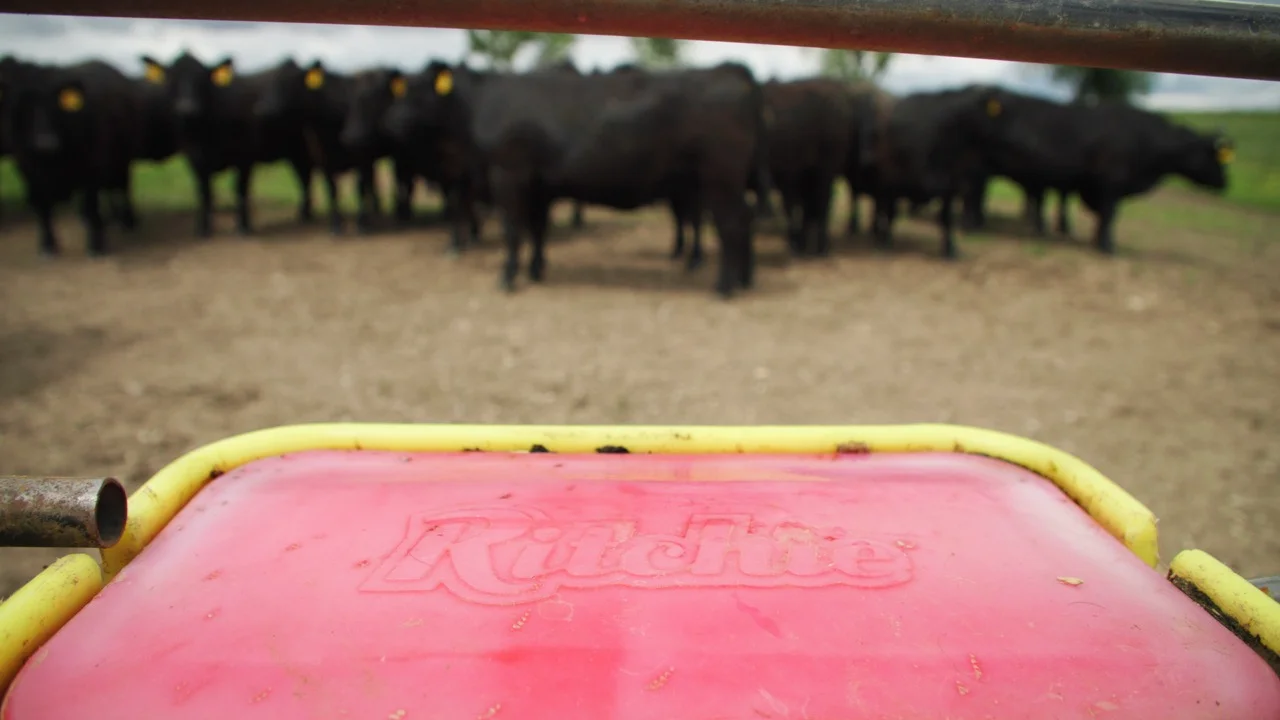
When drought hits, you face more than just a lack of water. Dry conditions can reduce forage production, lower feed quality, increase heat stress and create nutritional challenges for cattle and horses.
The good news is that a few management steps can help you keep your animals healthy and productive until conditions improve.
Water comes first
Clean, fresh water is the most important nutrient for livestock. During hot, dry weather, animals need more water to regulate body temperature and support normal body functions.
Beef cattle may drink 10 to 20 gallons of water per day, and even more during extreme heat. Horses commonly drink 5 to 15 gallons daily, depending on their size, activity level and the weather.
5 ways to keep your animals hydrated during drought:
- Install automatic watering systems.
- Check water sources every day.
- Make sure all animals can easily reach water.
- Clean tanks regularly to improve water quality.
- Monitor ponds and other natural water sources as levels drop.
As drought continues, water quality can become a concern. High salt levels, algae growth or other contaminants may reduce intake and create health risks. Work with your vet, nutritionist or university extension to test water sources and identify problems before they affect your livestock.
When asked about using waterers during droughts, Greg Rasmussen from Rockville, NE said:
“One nice thing about using the Ritchie waterers is that there is water on demand. With large stock tanks you lose so much water to evaporation, where with the Ritchie there is little wasted water. When we’re in drought conditions, every drop matters. Another advantage is that water in a stock tank can warm up fast in the summer. If water is too warm the cattle are less likely to drink it. With the Ritchie you always have a source of clean, fresh, cool water.”
Watch for signs of dehydration
Animals that are not drinking enough water may show signs such as:
- Reduced feed intake.
- Lethargy or weakness.
- Dry gums.
- Sunken eyes.
- Faster breathing.
- Weight loss.
In horses, dehydration can also increase the risk of colic and poor performance. Animals showing severe signs of dehydration should be evaluated by a veterinarian.
Don’t forget about forage quality
One of the biggest challenges during drought is declining forage quality. As grasses mature and dry out, they become less digestible and contain fewer nutrients. Even if animals appear to have enough forage available, they may not be getting the energy and protein they need.
According to the University of Kentucky, forage testing can help you understand which nutrients are missing and determine whether supplementation is needed. Testing hay and pasture can provide valuable information about:
- Protein levels.
- Energy content.
- Fiber levels.
- Mineral content.
Supplement when needed
According to Louisiana State University, drought-stressed forage is often lower in protein and energy than normal forage. If forage quality declines, supplementation can help maintain body condition and production.
Options include:
- Protein supplements.
- Energy supplements such as grains or byproducts.
- High-quality hay.
Any feeding changes should be introduced gradually to avoid digestive problems. Maintaining body condition is especially important for breeding animals, lactating females and growing calves and foals.
Pay attention to minerals
Mineral nutrition is often overlooked during drought. According to North Dakota State University, dry conditions can affect the mineral content of forages, and livestock may not get enough essential nutrients through grazing alone.
Provide a balanced mineral supplement formulated for your species and region. Important minerals include:
- Calcium.
- Phosphorus.
- Magnesium.
- Copper.
- Zinc.
- Selenium.
Salt should always be available, but increased salt intake also increases water needs. Animals must have access to plenty of clean water when salt or mineral products are offered.
Reduce heat stress
Heat stress and drought often go hand in hand. When temperatures rise, animals use more energy to stay cool and need to drink more water. This can increase the effects of drought-related stress.
To help reduce heat stress:
- Provide shade whenever possible.
- Ensure adequate airflow in barns and shelters.
- Handle livestock during cooler morning hours.
- Avoid transporting animals during the hottest part of the day.
Reducing heat stress can improve feed intake and overall animal comfort.
Have a drought plan
Drought conditions can develop slowly, but their effects can last for months. A drought management plan should include:
- Monitoring water supplies.
- Testing forage quality.
- Evaluating feed inventories.
- Securing supplemental feed sources early.
- Reviewing mineral programs.
- Identifying alternative water sources if needed.
Planning ahead can help you make decisions before conditions become severe.
The bottom line
Water is critical during drought, but it is only one piece of the puzzle. You should also pay close attention to forage quality, nutrition, mineral supplementation and heat stress. By taking a proactive approach, you can help maintain the health of your cattle or horses and their performance and welfare during challenging dry conditions.